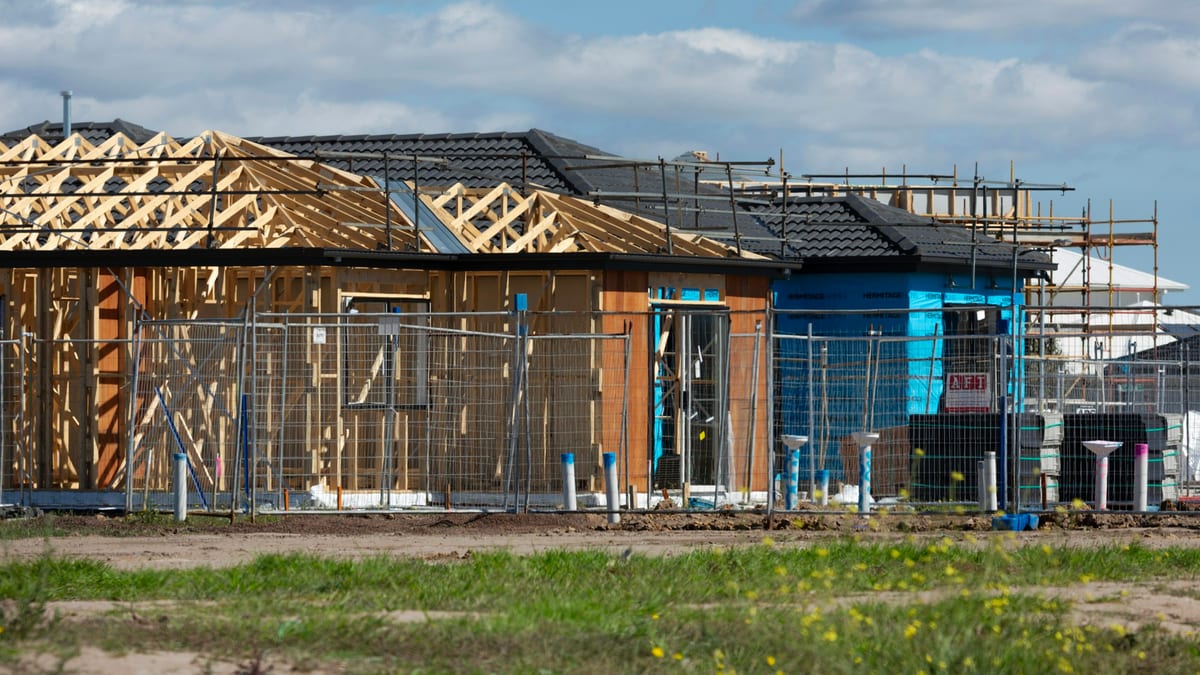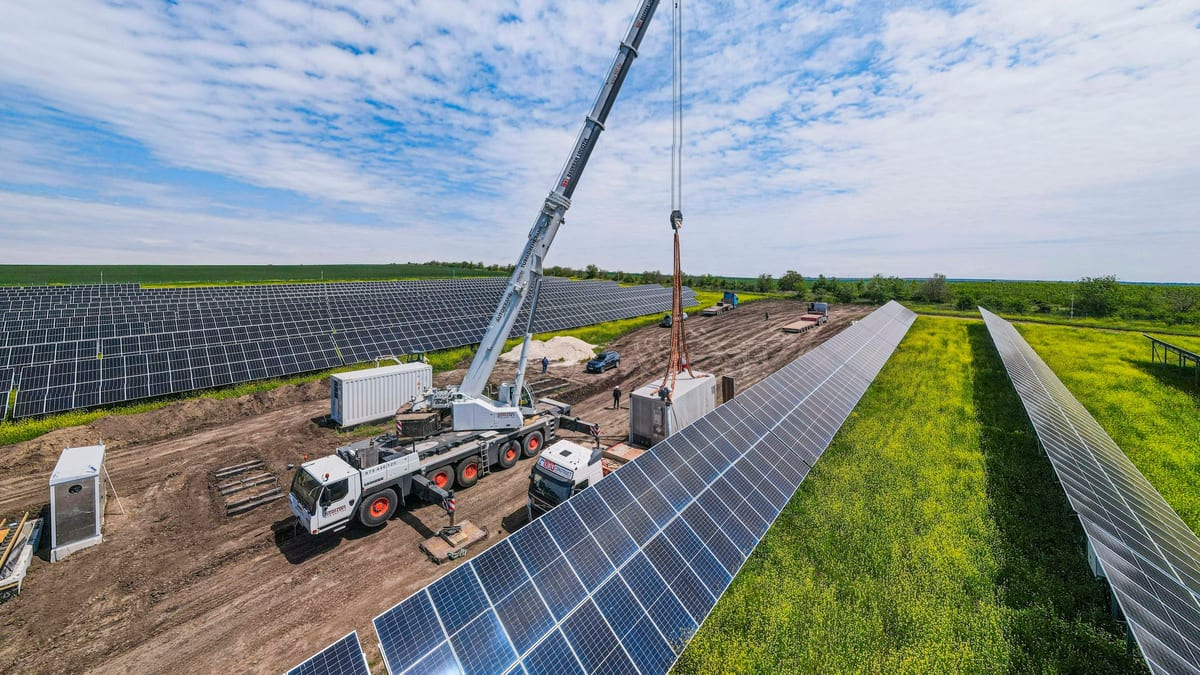

Build, a startup that automates the slow, document-heavy work at the front end of real estate and infrastructure development, has raised $8.5 million in seed funding. The round, announced on June 30, was led by Index Ventures, with participation from Pebblebed, Puzzle Ventures and Tiny.vc. Angel investors include OpenAI chief financial officer Sarah Friar and Blackstone chief technology officer John Stecher.
The company was co-founded by James Stirrat-Ellis, an architect, and Ben McClusky, an AI researcher.
Agents for site selection
Build describes itself as an “agentic development firm” — pairing AI agents with human domain experts to handle site sourcing, technical due diligence, power assessment and early-stage design. On its site, the company names three focus sectors: data centers, energy and power, and industrial development. Rather than working through planning, environmental, grid-capacity and political constraints one at a time, Build says its agents evaluate them in parallel, with human experts reviewing the outputs before they reach a client.
The pitch lands squarely on the data-center land grab, where developers are racing to lock down sites with adequate power — and where the pre-development diligence that decides whether a parcel is viable has traditionally taken weeks of manual work.
What the company claims
Build says its platform reduces due-diligence timelines by more than 95% and draws on over 1,600 data sources. Index Ventures, which led the round, says the service delivers results “10 times faster and at half the price” of traditional market rates. The company says it has been deployed across more than 100 projects in 15 countries for governments, Fortune 500 companies and institutional developers; Index Ventures names Tishman Speyer among Build’s customers.
Those are, for now, figures supplied by the company and its lead investor rather than independently audited. But the direction is one worth watching: the unglamorous predevelopment layer — deciding where to build before anyone breaks ground — is exactly the kind of judgment-heavy, data-scattered problem that agentic tooling is being pointed at across the built world.