1001, a startup building AI operating systems for critical infrastructure, has raised $30 million in a Series A round announced on June 30. The financing was led by Lux Capital, with participation from Sanabil Investments, Hanabi, 9Yards, General Catalyst, CIV and Stanford AI researcher Chris Ré, alongside a group of angel investors. The GCC- and London-based company was founded in 2025 by Bilal Abu-Ghazaleh.
Not a construction startup, exactly
It is worth being precise about what 1001 is. The company builds what it calls “sovereign AI” — systems that let operators keep local ownership and governance of their data and models rather than handing them to a foreign cloud provider. Its stated job is to help those operators, as the company puts it, work out what is about to go wrong and what to do about it, then automate the decision.
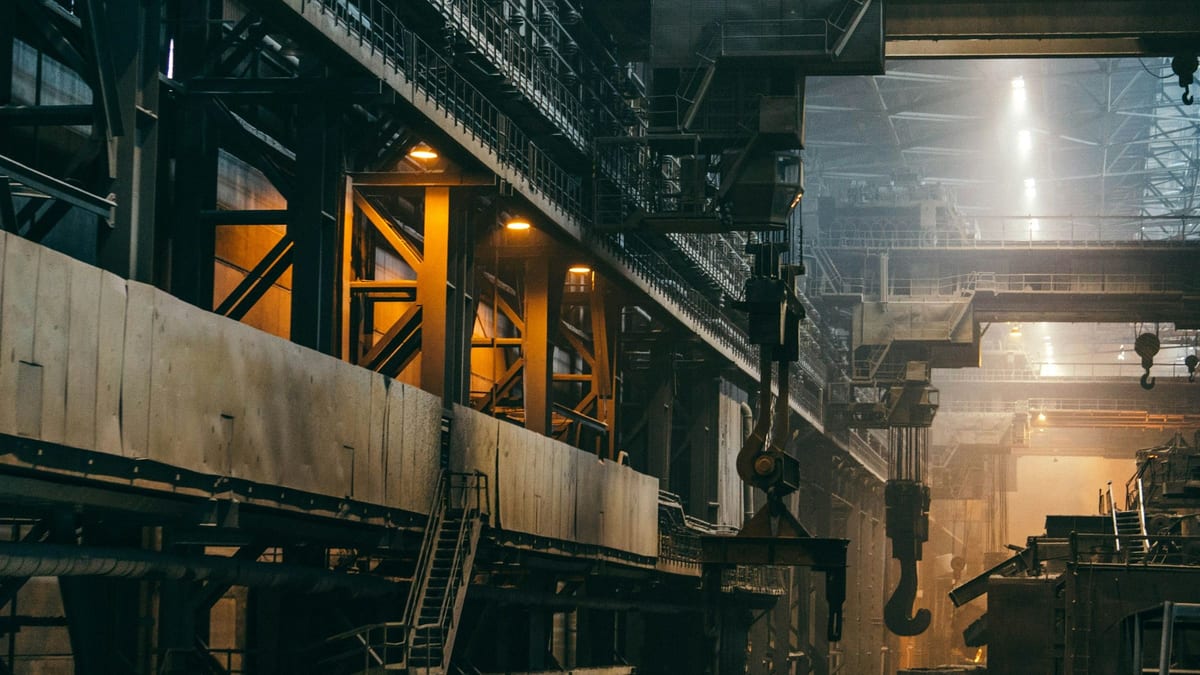
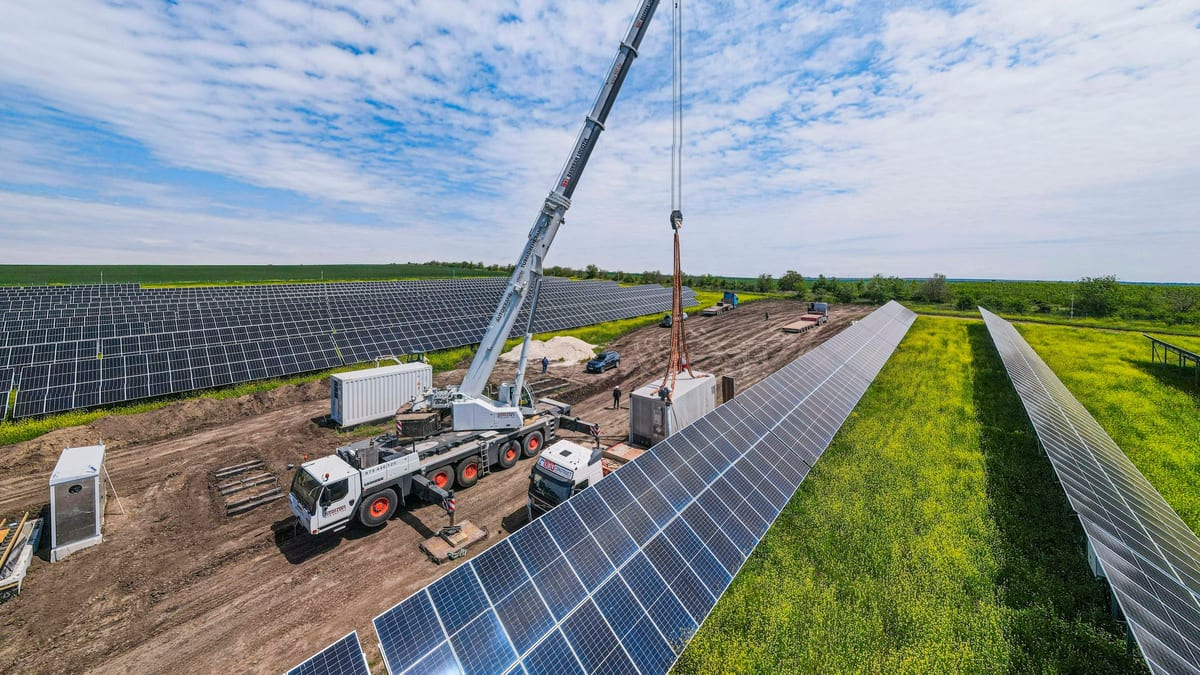
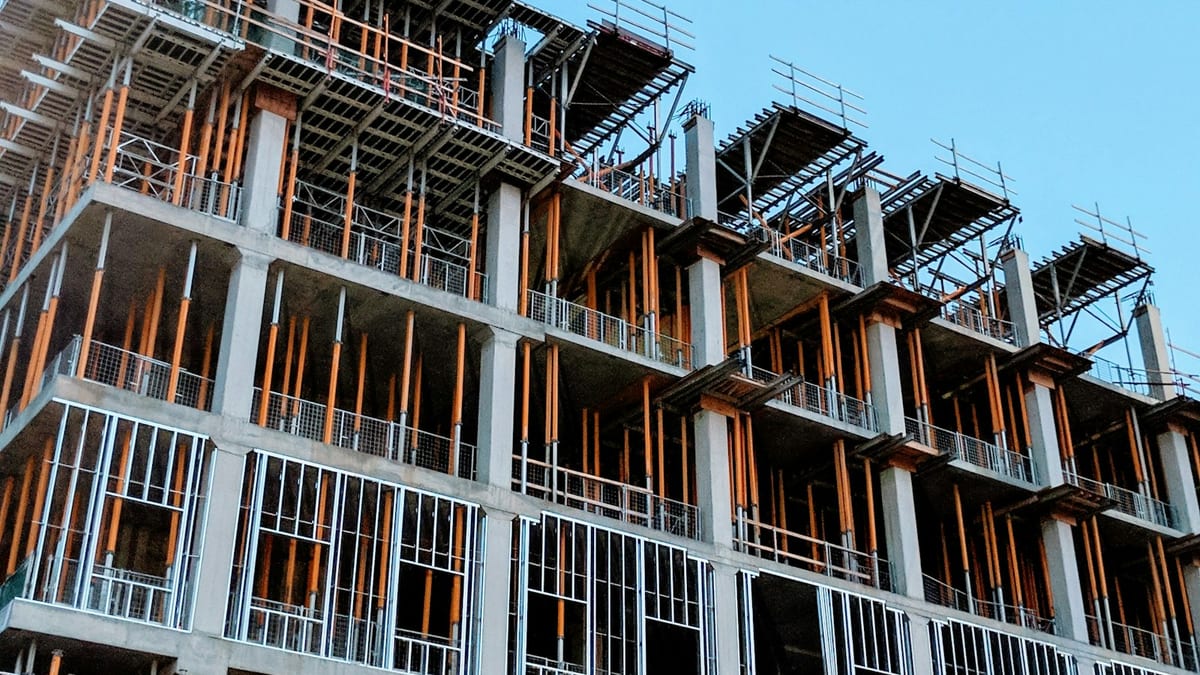
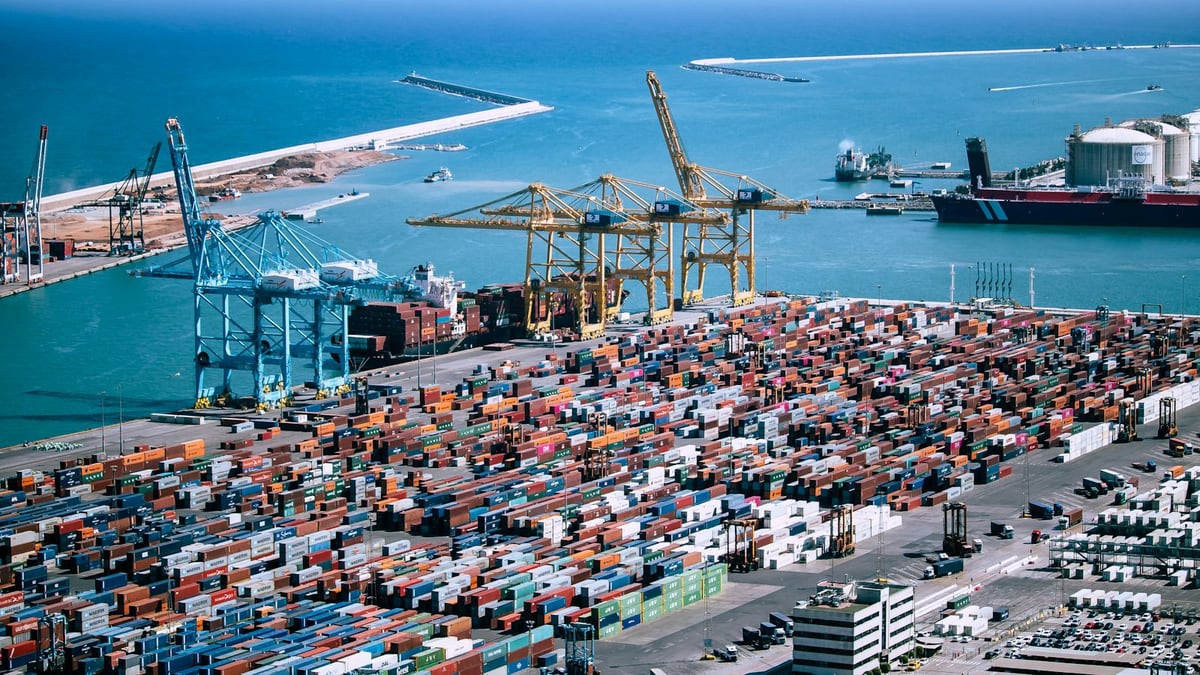
On its own website, 1001 lists four domains: ports, energy, airports and construction, where it frames the work as “managing megaproject timelines and risks.” So this is an infrastructure-operations play that treats construction as one target among several, not a purpose-built contech tool. That framing matters given where the money is coming from — the Gulf, where a pipeline of giga-scale developments makes megaproject risk a live and expensive problem, and where the sovereignty pitch has obvious political resonance.
The read
“Business leaders here don’t just want pilots. They want sovereign systems that deliver measurable results,” said founder Bilal Abu-Ghazaleh.
Notably, 1001 does not name any specific customers or deployed projects in its announcement or on its site — so the megaproject use case, for now, is a stated target rather than a proven track record. The backing is real, though: Lux Capital leading, with the PIF-owned Sanabil among the participants, is a credible bet that data sovereignty and predictive operations will be a category the region pays for. For construction specifically, the interesting question is whether a horizontal “critical infrastructure” platform can go deep enough on megaproject scheduling and risk to matter, or whether that ground stays with the contech specialists.