Torus, a Y Combinator–backed startup, has come out of stealth with a pitch aimed at the engineers behind large capital projects: AI “agents that think in P&IDs, HMBs, and spec sheets.”
Part of YC’s Summer 2026 batch, the San Francisco company was founded this year by Marcus Lima and Rahul Thayil and runs, for now, on a team of five. Both founders are second-time operators: Lima, the chief executive, previously started the carbon-capture company Heimdal and studied at Oxford and Cambridge; Thayil, the chief technology officer, founded the AI security startup Orion. The company bills itself, in its own shorthand, as “Legora for physical engineering firms” — a nod to the AI copilots reshaping document-heavy professions like law, pointed this time at engineering.
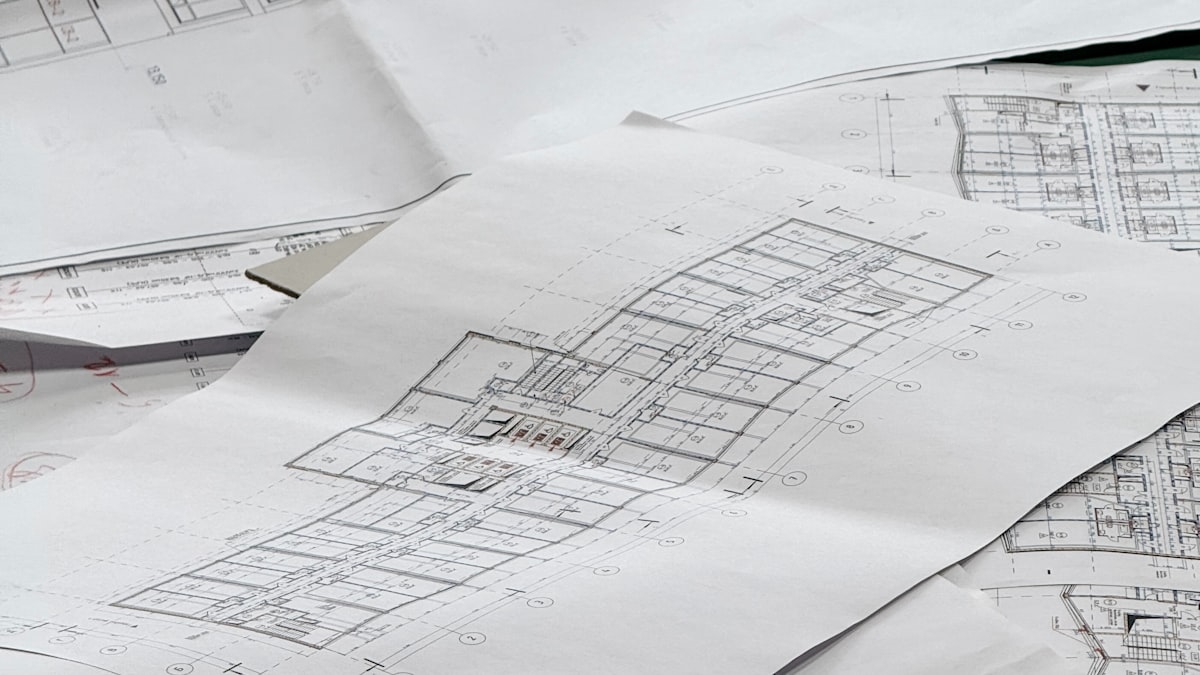
The problem it is chasing is familiar to anyone who has worked an engineering, procurement and construction job. The documents that define a project — piping and instrumentation diagrams, datasheets, specs, load lists — number in the thousands, and the costly errors tend to hide in the gaps between them, where a value on one drawing quietly contradicts another. Torus’s own illustration: a process datasheet calling for 450 psig where the relief-valve setpoint on the P&ID reads 425 — the kind of mismatch that, caught late, turns into an expensive rework order.
Reading the whole document set at once
Torus positions its product as more than a chatbot bolted onto a document viewer. The company says its agents hold an entire document set in context at once and run what it describes as more than 50 categories of cross-document consistency checks — surfacing conflicts such as a design-pressure value, a code edition (API 610 11th versus 12th) or an electrical load that disagrees from one document to the next, without an engineer having to go looking. Engineers see the consistency flags; project managers see the workflow side of the same project data.
Beyond catching inconsistencies, the company says the platform drafts deliverables patterned on how a given firm already works — procurement approvals modeled on prior approvals a team has processed, transmittals in the firm’s own format, and RFI responses that point back to the right specs. Around that sits a layer of workflow automation: Torus says it can sit on an email or Teams thread to track decisions, draft follow-ups on stalled approvals, and keep an audit trail of what informed each output. For teams nervous about where sensitive project data goes, the company says it offers two deployment modes — a managed cloud with isolated tenancy, or a “sovereign” option that runs inside a customer’s own environment.
Why now
Torus frames its timing around a labor squeeze. By its own account, the U.S. has roughly 137,000 engineering firms, about three open jobs for every qualified engineer, and a quarter of the workforce heading toward retirement within five years — even as the projects get bigger. Its pitch reaches for the moment’s language: the company says it wants to help firms “build infrastructure 10x faster to reindustrialize America.” It also says it is already working with multiple Fortune 500 companies on critical infrastructure including data centers and energy installations, though — consistent with a company just emerging from stealth — it names none of them.
Those figures and claims are Torus’s own, not an independently verified track record, and the company has not disclosed any funding terms beyond its Y Combinator backing. (Worth flagging for anyone searching: there are unrelated companies operating under the “Torus” name, including one in energy storage — this is the capital-projects software startup at usetorus.com.)
Even with those caveats, the wager is a clear one. Document-heavy AECO work has become one of the most active proving grounds for applied AI: Document Crunch has pushed agentic contract review, and Newforma’s Vojo assistant is aimed at the same mountain of project paperwork. Torus is betting that the richest and least-forgiving version of that problem lives in the engineering documents that govern how a data center, substation or plant actually gets built — an infrastructure wave that is already reshaping where construction’s smartest software is pointed.