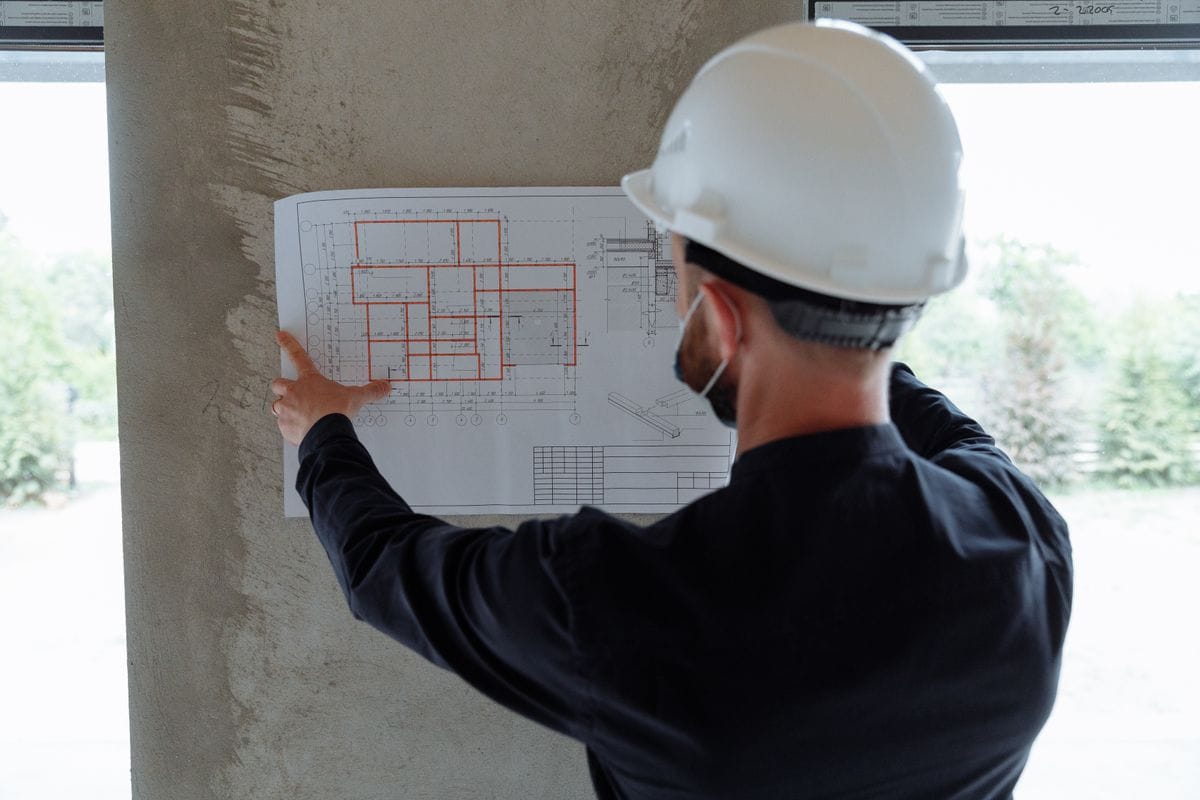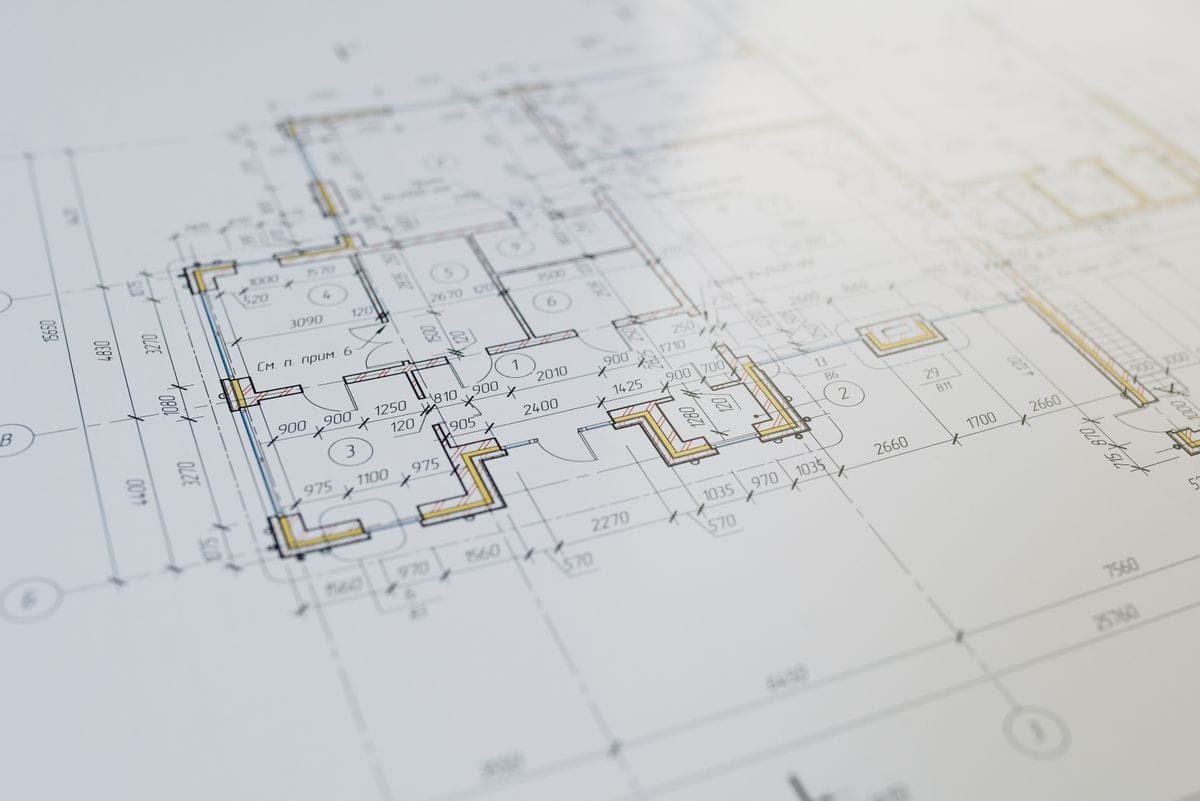

Electrical estimating is one of the most tedious workflows in construction — and one of the most consequential. Before an electrical contractor submits a bid, someone has to count every device in the drawings: every receptacle, every junction box, every light fixture, every occupancy sensor. On a large commercial project, that is thousands of individual counts across hundreds of drawing sheets. It takes a skilled estimator the better part of a day. Done under time pressure, it produces errors. Done consistently across a high bid volume, it burns out the people doing it.
Bidflow, which came out of Y Combinator’s Winter 2026 batch, has built an AI that does the counting part automatically. Upload a PDF set of electrical drawings. Wait under ten minutes. Receive a spreadsheet with device counts organised by type — power devices, lighting fixtures, lighting controls — with 95 to 99 percent accuracy.
The price for this service: $0.03 per correctly identified device.
The Pricing Model Is the Point
Pay-per-device is not an obvious choice for a SaaS company. Monthly subscriptions are the default in construction software because they produce predictable revenue and create switching costs. Bidflow’s founders chose differently, and the logic is worth understanding.
For an electrical contractor running high bid volume — quoting fifteen to twenty projects a month — a subscription model adds a fixed cost that applies regardless of whether the quarter is busy or slow. A $500 per month subscription is fine when you are winning work; it is less fine when the market slows and you are bidding more conservatively.
Pay-per-device aligns the cost to the value. A contractor quoting a small residential project pays a small amount. A contractor quoting a large hospital campus pays more, but that project also has a larger potential revenue. The model makes Bidflow essentially free to try (upload a small project and spend a few dollars) and self-evidently justified when it works (three cents per device versus thirty minutes of an estimator’s time to count the same device manually).
The implicit guarantee embedded in the pricing — “correctly identified” devices only — also signals confidence. If the AI cannot reliably identify a device, Bidflow does not charge for it. That is a different claim from “we are 95 to 99 percent accurate on average.”
The Founding Story
Bidflow was built by Jesse Choe and Gautham Ramachandran. Neither has a background in electrical contracting. That absence of domain expertise is worth examining rather than dismissing.
Jesse Choe is a college dropout who was already a YC founder once before. His previous company, Ghostship, built AI-powered QA testing agents and reached $200,000 in annual recurring revenue before Choe pivoted to Bidflow. That pivot — from developer tools to specialty trades software — tells you something important: Choe is an execution-first founder who identified a more compelling problem rather than optimising the problem he was already working on. Ghostship’s $200K ARR represents validated ability to sell B2B software and build AI products that people will pay for.
Gautham Ramachandran studied computer science at UC Berkeley and has published academic work on CortexCompile, a multi-agent framework for code synthesis using natural language processing. His technical profile fits the core challenge of Bidflow: training AI to understand the visual grammar of electrical drawings, which have their own symbol library, layer conventions, and annotation standards that differ meaningfully from other document types.
What both founders lack — direct experience calling on electrical contractors, understanding how estimating fits into the larger bid process, knowing what drives a contractor to try new software — is real. What they have demonstrated is the ability to build AI products quickly, sell them to businesses, and move on when a better opportunity presents itself. In a market where a long list of contractors are still counting devices by hand, the go-to-market challenge is real but the product-market fit test is simple: does the accuracy hold up on the drawings our customers actually use?
The Technical Constraint That Defines the Market
Bidflow’s current scope is narrow by design: it counts electrical devices. It does not produce a complete electrical bid. It does not estimate conduit runs, panel schedules, wire quantities, labour hours, or the dozens of other components that go into an electrical estimate.
This is an honest positioning of what AI can currently do reliably in this domain. Counting devices from drawings is a well-defined visual classification task: symbols on a drawing, matched against a library of known types, counted by floor and zone. It is the kind of problem that machine learning handles well when trained on enough examples.
The harder parts of electrical estimating — understanding how conduit is routed through a structure, reading single-line diagrams, inferring the labour complexity of specific installation conditions — require contextual reasoning that current vision models do not perform reliably enough for commercial use. Bidflow has chosen to own one piece of the workflow rather than attempt all of it and do none of it well.
That focus creates a clear competitive comparison. For a large electrical contractor already using a full estimating platform like Accubid or ConEst, Bidflow is a point solution that slots into the quantity takeoff phase of an existing workflow. For a smaller contractor who does not have a full estimating platform, Bidflow’s exported spreadsheet may be the entire quantity basis for their bid. Both use cases are real, and neither requires the contractor to change their entire estimating process to benefit.
What 4x Bid Volume Actually Means
Bidflow’s headline claim — “bid 4x more projects” — deserves some analysis. If an electrical estimator currently spends a full day on the device count phase of each bid, and Bidflow reduces that to under ten minutes, the time savings are real. Whether that translates to 4x bid volume depends on how much of the estimator’s time was actually spent on device counting versus the other components of a bid.
For a small electrical contractor where the owner is also the estimator, device counting might represent 30 to 40 percent of total estimating time on a straightforward project. That is substantial — but it implies that Bidflow might produce a 30 to 40 percent increase in bid capacity, not 400 percent.
For a lighting distributor — the other target customer Bidflow explicitly serves — the math is different. Distributors quote high volumes of projects and often win on speed: the contractor who gets the material quote back first has an advantage in the subcontract award. If Bidflow cuts the time from drawing receipt to quote submission from two hours to fifteen minutes, the competitive advantage in a market where bid deadlines are often 24 to 48 hours from drawing receipt is significant.
The Competitive Picture
Bidflow is not the only company applying AI to construction quantity takeoffs. Togal.AI covers architectural and structural quantities for general contractors. STACK and PlanSwift handle multi-trade general takeoffs. Larger estimating platforms are adding AI features.
What Bidflow is doing — specialising in a single trade at a very high accuracy threshold — is a different strategy from building a general-purpose takeoff platform. The risk is that it limits total addressable market; the upside is that it creates a product that electrical contractors trust for the specific task because it was built for their workflow rather than adapted from a general model.
The $0.03 per device pricing means the initial commercial validation is low-stakes enough that contractors will try it on a real project. That is the correct approach for a product that lives or dies on accuracy: get the drawing sets that your actual customers use in front of the model, measure what happens, and improve from there.